TMJ disorder affects the jaw and nearby muscles, often causing pain, clicking, or trouble moving your jaw. The good news? Physical therapy provides relief from discomfort, restores jaw mobility, and addresses the underlying causes of TMJ. At Pro Motion Physical Therapy, our team specializes in TMJ care, providing personalized, hands-on treatment to help you feel and move better. Here are 10 things that can make TMJ worse, and what you can do about them.
Whether you experience tenderness and aching or significant pain and jaw locking due to temporomandibular joint disorder (TMJ), avoiding things that make TMJ disorder worse is an important part of managing your condition and reducing flare-ups.
Things that can make TMJ symptoms worse include:
- Excessive chewing
- Poor posture
- Clenching your teeth
- Stress and anxiety
- Eating certain foods
- Smoking
Avoid Chewing Gum
You may enjoy chewing gum, but if you have TMJ disorder, you should avoid it.
Your jaw is the most constantly used joint in the body. Limiting excessive use of the joint and muscles alleviates pressure and gives them a chance to rest.
Resting sore muscles and joints is the first step in getting your TMJ symptoms to settle down.
Avoid Eating Hard Foods
When you have jaw pain due to TMJ disorder, you should avoid eating hard, chewy, or crunchy foods like bagels and apples.
These foods may place excessive stress on your jaw, thus preventing the joint from getting the necessary rest to allow for proper healing.
Avoid Non-Functional Jaw Activities
As we go through each day, we often do things with our jaws unconsciously or out of habit.
- While reading or writing, you may mindlessly chew on a pen.
- You may bite your fingernails or chew on small bits of clothing while watching TV or browsing the internet.
These parafunctional activities (behaviors that do not serve any functional purpose) may place stress on your TMJ and slow the healing process.
 Avoid Resting on Your Chin
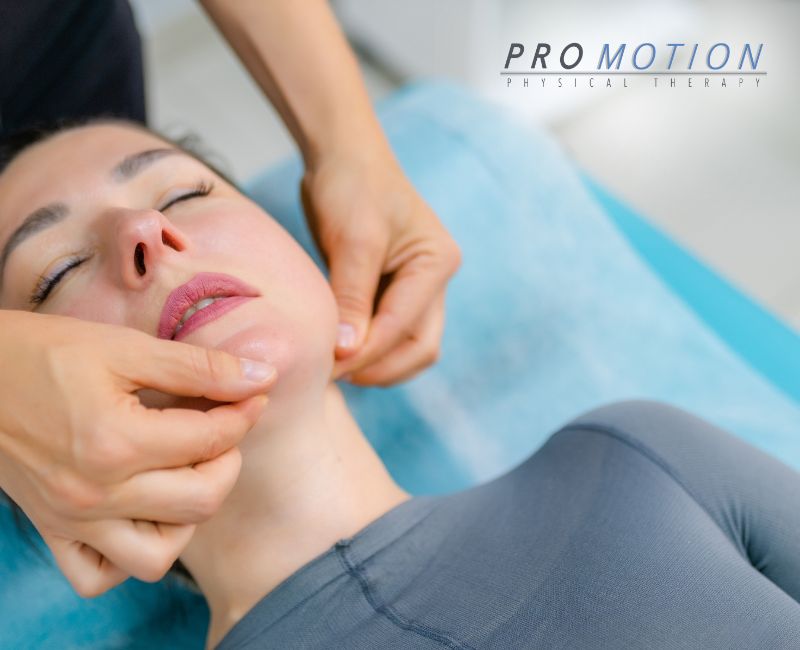 Avoid Resting on Your Chin
Many people rest their jaw in their hands while studying, browsing social media, or watching TV. This position may be comfortable, but it can affect your jaw.
This pressure against the side of your jaw may push against the joint, moving the disc out of place and creating problems with how your jaw opens and closes.
Breaking the habit of resting your chin on your hand can allow your joint to heal in the right place.
Avoid Chewing Only on One Side
Humans are creatures of habit, and many of us chew our food on one side of our mouth or the other. This can stress out one side of your temporomandibular joint and surrounding muscles, leading to TMJ pain and joint dysfunction.
Try to be aware of your chewing habits and make sure you consume food on both sides of your mouth. If you have dental problems or tooth pain on one side, see your dentist to get it fixed so you can chew evenly and comfortably.
Try to Stop Clenching Your Teeth
Bruxism is the medical term for clenching your teeth together. This behavior usually happens subconsciously and may occur during the day or while sleeping. This can be a real problem when you have TMJ disorder, as teeth clenching can place incredible stress on your jaw’s muscles.
If you think you may be clenching or grinding your teeth, reach out to a dentist or other oral health professional. They may prescribe a mouth guard that you can wear to keep your teeth from clenching and grinding. Botox is another option.
Stop Slouching
Did you know the function of your jaw is closely related to posture?
Your jaw operates best when your head is above your cervical spine and your posture is upright. If you slouch, it can change how your jaw muscles work and the way your jaw opens and closes.
When you’re treated for TMJ disorder, your physical therapist may work with you to change your posture. This may involve strengthening your back and shoulder muscles and setting frequent reminders to sit up tall.
Performing a slouch-overcorrect exercise is a great way to develop an awareness of proper posture. Sitting and standing upright and avoiding slouching can keep your jaw operating properly.
Reduce Stress and Anxiety
Stress and anxiety are common experiences that affect many people. They can also worsen symptoms of TMJ disorder. That’s because they can cause muscle tension in the head, neck, and jaw areas. This can further result in jaw clenching and teeth grinding, which puts extra strain on the jaw muscles and TMJ.
Managing your stress or anxiety can be an effective way to alleviate or prevent TMJ symptoms.
Techniques that can help include:
- Breathing exercises
- Mindfulness practices
- Meditation
- Physical activity (like yoga or walking)
If stress and anxiety are significantly impacting your life, talk to a healthcare provider or therapist for professional help.
Avoid Smoking
Studies show that smoking tobacco can intensify pain in persons with TMJ disorder. Nicotine and other compounds in tobacco smoke can cause muscle tension, redirect blood blow, and promote inflammation—all of which can worsen TMJ discomfort and hinder the healing process.
If you smoke, you may be able to improve TMJ symptoms simply by quitting smoking or cutting back.
Stop Waiting to Get Treatment
Many people with musculoskeletal problems simply wait for the pain and limited motion to go away. But if you are having problems with your jaw joint (the most used joint in the body), you should not wait to get treatment.
TMJ disorder is more often than not self-limiting (goes away on its own) and non-progressive and has a good rate of recovery with conservative treatment—meaning there’s all the more reason to seek help without delay.
See your healthcare provider or dentist for an accurate diagnosis if you suspect TMJ disorder. You may benefit from visiting a physical therapist to learn exercises and strategies to self-treat your condition.10 An orofacial pain specialist (dental specialist) is also an option.
Treatment
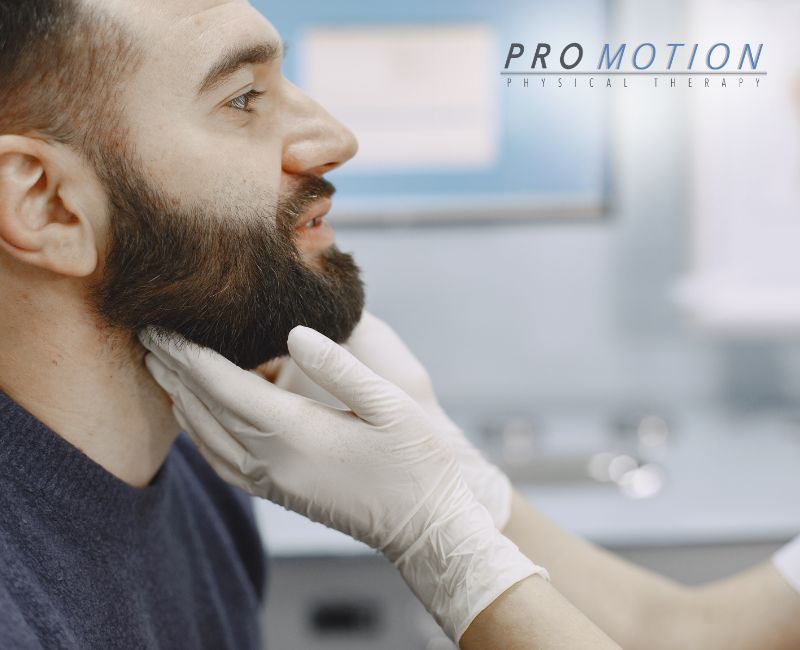 Treatment
Treatment for TMJ disorder involves:
- Exercises to get your jaw moving normally
- Anti-inflammatory treatments
- Joint mobilizations
- Treatments to keep your muscles working properly
A splint or night guard can also help with nighttime teeth grinding (bruxism), which can be a cause of muscle soreness and TMJ disorder.
In severe cases, you may need surgery to correct your problem. However, it’s a last resort.12 Your initial treatment should focus on decreasing pain and improving the way your jaw opens and closes. Avoiding certain activities can help accomplish this task.
TMJ discomfort can interfere with everyday life, but understanding the factors that worsen it is the first step toward relief. Physical therapy is one of the most effective ways to improve TMJ symptoms, addressing both pain and the underlying causes while restoring movement and function. The expert team at Pro Motion Physical Therapy specializes in TMJ care, providing personalized, hands-on treatment designed to help you feel better and move more comfortably. Take control of your jaw health — book your session today and start feeling better. Call us today to book at 919-798-8199 and be sure to follow us on Instagram!
Reference: [ https://www.verywellhealth.com/things-to-avoid-with-tmj-4582450 ]
 I cannot say enough great things about James and ProMotion for consistency. I have chronic neck pain and TMJ. I've been to physical therapy before and never made any lasting progress. James took the time...