Cupping has become a popular recovery tool for everyone from desk-bound professionals to competitive athletes, thanks to its ability to ease tight muscles and support healing. This ancient therapy utilizes suction, typically through specialized cups placed on the skin, to enhance circulation, alleviate muscle tension, and promote recovery in areas of the body that are irritated or overworked. Many people with chronic pain, stiffness, or mobility limitations find cupping to be especially helpful, and it’s often used in conjunction with other treatments rather than on its own. In a physical therapy setting, cupping can be a strategic approach to enhance blood flow, soothe irritated muscles, and support long-term pain relief. At Pro Motion Physical Therapy, patients benefit from clinicians with advanced training in cupping techniques, ensuring the treatment is targeted, evidence-informed, and tailored to each person’s needs. Read on to discover the benefits and risks of cupping, and whether it is right for you.
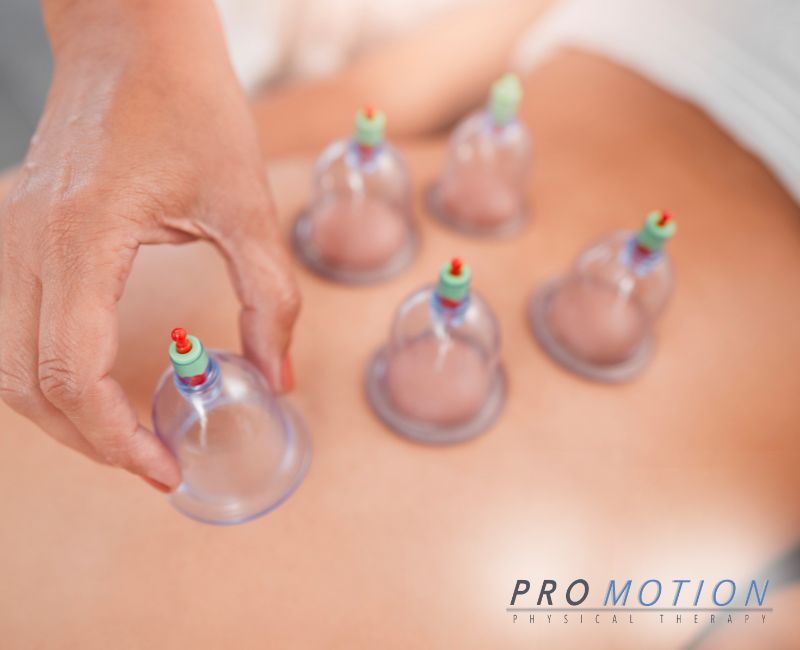
Cupping is a complementary therapy that involves suctioning the skin with cups made of silicone, plastic, glass, bamboo, metal, or rubber. Originating in Egypt and Macedonia around 5,500 years ago, this method has recently started gaining popularity in the United States.
Many people use cupping to improve blood flow, decrease toxins, and reduce pain. In some cultures, cupping has spiritual and religious significance.
Although cupping therapy has existed for centuries, there is limited research on how it works and its effectiveness. However, many people, especially athletes, find it beneficial.
Types of Cupping
There are two primary types of cupping: dry cupping and wet cupping. Each type has several variations.
Dry cupping involves pulling your skin into the cup without cutting or burning it. With wet cupping, a practitioner will cut or lacerate your skin with a very thin blade (needle or lancet) so that blood is drawn into the cup.
Cupping has more recently been divided into five categories and classified by type, suction power, methods, added therapies, and the condition or area treated. Here is a closer look at each:21
- Technical types: In addition to dry cupping and wet cupping, some techniques include flash cupping and massage cupping. Flash cupping involves quickly applying and removing cups, while massage cupping involves massaging with the cups.
- Use of suction power: Cupping therapy can include varying degrees of suction. Options typically include light, medium, strong, and pulsatile (rhythmic).
- Methods of suction: Cupping therapy can use different types of suction, such as manual suction, fire-based suction, and electrical vacuuming.
- Added therapies: Cupping is sometimes combined with other therapies to increase the benefits. Complementary therapies might include needle, herbal, magnetic, laser, electrical stimulation, water, aquatic, and facial cupping procedures.
- Condition and area treated: Cupping therapy can be used to address specific conditions and target certain areas. These can include sports-related, orthopedic, abdominal, cosmetic, facial, and sex-specific cupping therapies for people assigned male and female at birth.
How Cupping Works
During cupping, the practitioner uses the cups to form a suction seal on your skin, which creates a vacuum that draws blood and other fluids to the area. This is thought to improve blood flow, promote healing, and reduce inflammation in the targeted area.
Many also use cupping to boost immune function, promote relaxation, reduce stress, and enhance overall well-being.
Some research suggests that dry cupping stimulates the lymphatic system, which helps remove built-up fluids and waste products in the treated area. With wet cupping, the tiny cuts stimulate inflammatory cells, triggering your body to release natural pain relievers and mood enhancers (like endorphins).
While there is little research on how or why cupping therapy works, there are theories about what happens within your body when cupping is performed. These include:
Pain-gate theory: Scientists speculate that the touch, pressure, and vibrations created during cupping therapy stimulate your body’s large nerve fibers. These movements can inhibit or reduce the pain signals sent to your brain, resulting in pain relief.
Diffuse noxious inhibitory control (DNIC) theory: DNIC theory is based on the idea that creating pain in one area will relieve pain in another. However, this theory is still not completely supported by evidence.
Release of nitric acid theory: Researchers theorize that cupping therapy may increase the production of nitric oxide (NO), which controls blood flow, volume, and vasodilation (opening blood vessels). According to this theory, cupping could improve blood circulation and prevent atherosclerosis (plaque buildup in the arteries).
 Benefits of Cupping Therapy
 Benefits of Cupping Therapy
Although research on the effectiveness and benefits of cupping therapy is limited, preliminary studies suggest the procedure may be beneficial, especially for pain management.
Reduce Frequency of Headaches and Migraines
Many people use cupping to reduce pain, especially from migraines and headaches. Some research shows that wet cupping can reduce headache severity by 66%. It may also lower the number of headache days a person experiences by 12.6 per month.
Improve Sports Recovery
Several studies show that cupping could help reduce muscle fatigue and soreness and speed recovery from minor sports injuries.
One small study found that cupping could reduce neuromuscular (nerve and muscle) fatigue after performing bicep curls, particularly in the biceps. Another study found that cupping therapy may be more beneficial than foam rolling in improving hamstring flexibility.
An additional study found evidence that cupping therapy may help improve blood flow and reduce pain in sports injuries. However, researchers note that the evidence is limited, and more research is needed.
Manage Skin Conditions
Cupping therapy may also be useful in treating certain skin conditions. One research review found that cupping, alongside other treatments, helped manage pain associated with skin conditions like shingles and chronic hives.
However, cupping can also potentially worsen some skin conditions, including eczema and psoriasis.
Reduce Chronic Pain
Several research reviews show that cupping may help reduce chronic pain, particularly pain caused by knee osteoarthritis, plantar fasciitis, and carpal tunnel.
One research review, with low- to moderate-quality evidence, showed that cupping may benefit pain-related conditions like back pain and osteoarthritis (joint breakdown). Another study found that, compared to no treatment, cupping can improve the ability to perform everyday tasks and function independently in people with chronic pain.
Another review found that dry cupping helps with pain and improves function in people with plantar fasciitis, which causes pain in the heel and bottom of the foot. A different study found that wet cupping may help treat carpal tunnel syndrome, which affects nerves in the wrist and causes weakness and pain.
Remove Excess Metals
One very small study examined whether wet cupping could remove heavy metals from a person’s body. Researchers found that the therapy helped remove toxins through secreted internal fluid. Specifically, the participants’ aluminum, zinc, and cadmium levels were significantly lower after cupping.
However, more research is needed to verify its effectiveness.
When To Use Cupping
Cupping is often used as a complementary therapy for various conditions, primarily those that cause pain or inflammation. Here are some of the conditions that may be treated with cupping:
- Acne
- Back, neck, shoulder, and knee pain
- Carpal tunnel syndrome
- Dyspnea (shortness of breath)
- Fibromyalgia (a chronic condition causing full-body pain, tenderness, and fatigue)
- Gastrointestinal disorders
- Headaches
- Shingles
- Sore muscles
- Sports injuries
What To Expect During a Cupping Session
Preparation for a cupping session will depend on the type of cupping therapy you are receiving.
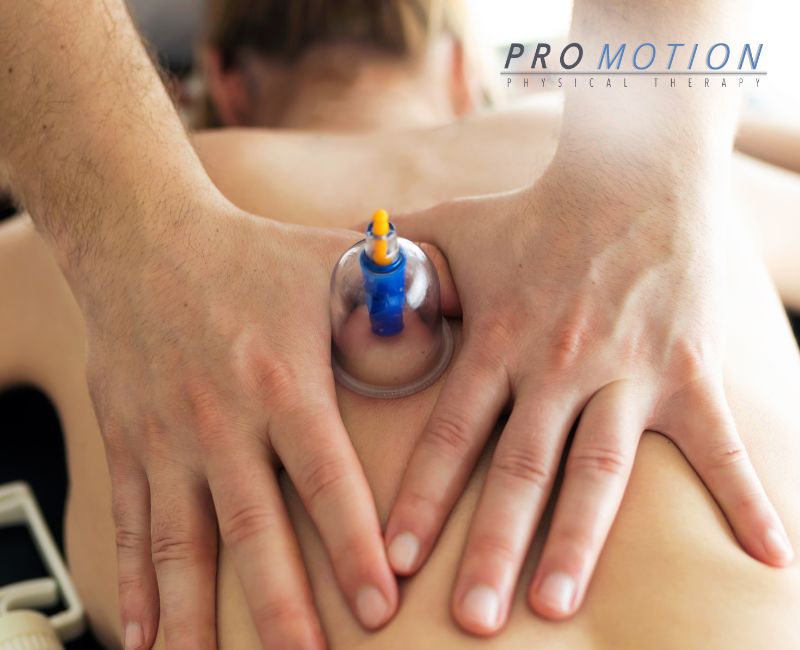
Dry cupping is typically a simple procedure that involves exposing only the skin where the cupping will occur. The practitioner applies cups to the skin’s surface to generate suction. Dry cupping does not usually require additional procedures.
With wet cupping, the practitioner makes a small cut or scratch on the skin before applying the cups. This allows the suction to draw a small amount of blood into the cup. The practitioner uses disposable equipment to avoid contamination.
Cups are usually left in place for up to 15 minutes during a cupping therapy session. However, the duration on the skin is much shorter during a flash cupping session.
After the procedure, you may notice residual ecchymosis (bruising), commonly known as cupping marks. These marks are often circular or oval-shaped areas of skin discoloration. Depending on your skin type and the suction strength, they can range from light red or pink to dark purple. The marks should disappear 1-10 days after the session.
Safety and Considerations
Cupping therapy is generally considered safe, but it can cause some side effects. People with sensitive skin or who received cupping therapy from an inexperienced professional may notice burning, blistering, or scarring.
It is also possible to experience headaches, dizziness, fatigue, fainting, nausea, and insomnia (trouble sleeping). In rare cases, cupping may lead to the Koebner phenomenon, resulting in new skin lesions.
Cupping therapy may not be ideal for everyone, especially children, older adults, people who are pregnant, and those taking blood thinners. You should also avoid cupping if you have a sunburn, wound, skin ulcer, or thinning skin.
People with the following conditions should avoid cupping therapy:
- Cancer
- Eczema
- Psoriasis
- Organ failure
- Blood disorders
- Pacemaker
- Epilepsy
A Quick Review
Cupping involves suctioning the skin with silicone, plastic, glass, bamboo, metal, or rubber cups. Proponents of this complementary therapy believe it can improve blood flow, decrease toxins, and reduce pain.
Although research on cupping’s benefits and effectiveness is limited, preliminary studies suggest it may help treat conditions such as sports injuries, migraines, carpal tunnel, and osteoarthritis. More research is needed before cupping can be recommended as part of treatment plans.
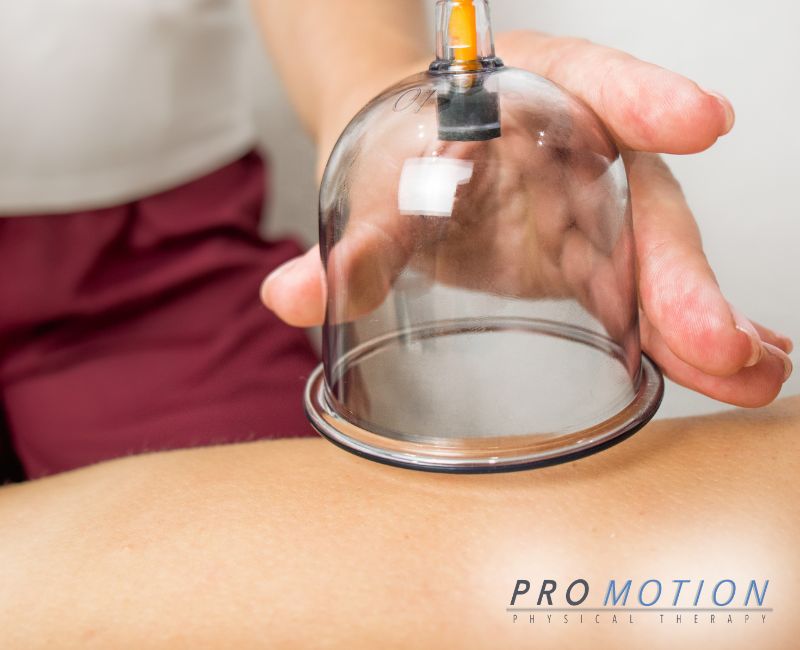 Cupping can be a helpful way to reduce tension, improve circulation, and support recovery—but it works best when it’s guided by clinical expertise. Physical therapy offers one of the safest and most appropriate ways to begin cupping. A trained clinician can determine whether it suits your condition, apply it to the right areas, and pair it with targeted exercises that support meaningful, longer-term improvement. At Pro Motion Physical Therapy, clinicians combine cupping with skilled assessment, individualized treatment, and evidence-based care so patients get real, measurable results, not just temporary relief. Book an appointment with Pro Motion today and experience recovery in motion.
Reference: [ https://www.health.com/cupping-benefits-8775331 ]
 I cannot say enough great things about James and ProMotion for consistency. I have chronic neck pain and TMJ. I've been to physical therapy before and never made any lasting progress. James took the time...