Our Services
Lower Back Pain
Lower back pain is widespread — about 8 out of 10 people experience it at some point in their lives. One reason it happens so often is that your lower back connects your upper body to your hips and legs, making it responsible for a lot of movement and load.
Daily habits can also play a big role. Sitting for long periods, sleeping in the same position, or always standing with your weight on one leg can cause your body to adapt in unhealthy ways over time. When these patterns compound, even simple activities, like yard work or lifting something heavy, can trigger pain or injury.
At Pro Motion Physical Therapy, our goal is to reduce the stress placed on your lower back and help it move and function properly. We focus on improving posture and movement first, then strengthening the muscles that support and stabilize your spine — so you can return to daily life with less pain and more confidence.

Hips
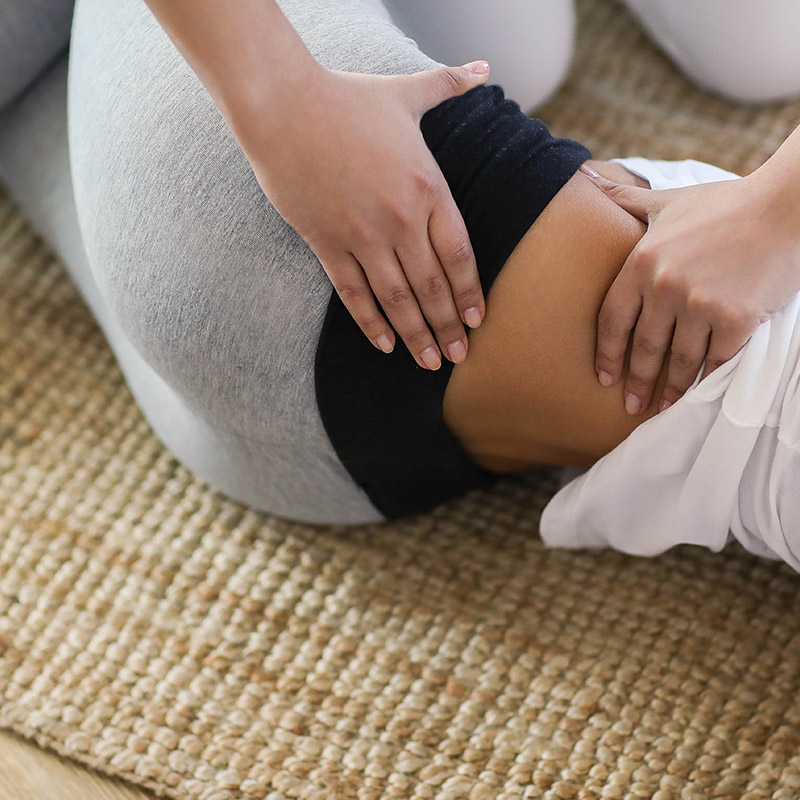
When treating lower back pain, we always examine the hips and pelvis — the foundation of your lower back. If your hips are tight or weak, they don’t move as they should, forcing your lower back to take on extra strain during everyday movements such as bending.
Posture and daily habits also affect how your pelvis sits. Even small imbalances can alter the alignment of your spine, causing it to bend or twist in compensation. This added stress may explain why bending one direction feels more painful than the other.
At Pro Motion Physical Therapy, we assess hip mobility, pelvic alignment, and movement patterns to reduce strain on your spine and help you move more comfortably and confidently.
Our Services
Muscles Contributing to
Lower Back Pain
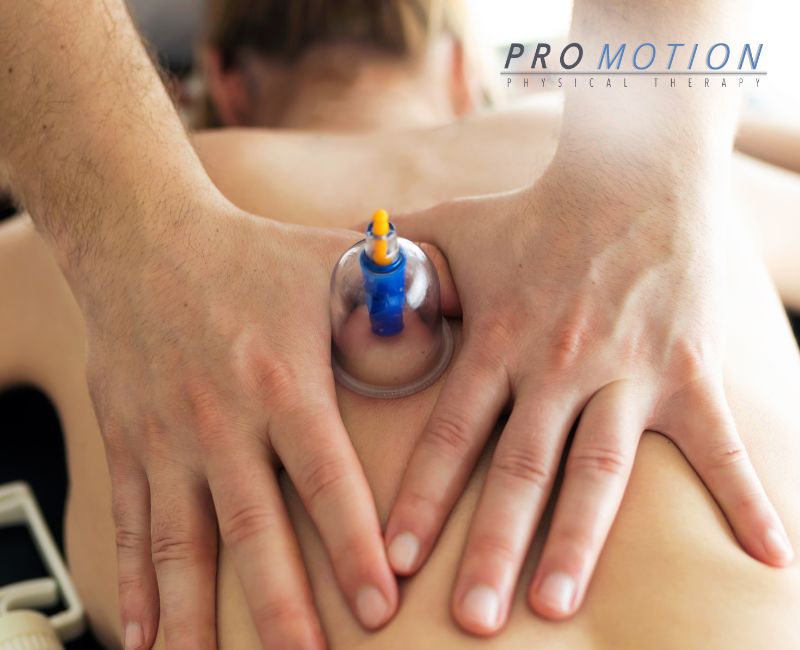
For long-term relief from lower back pain, it’s important to address the muscles that support and move the spine. Key muscles, including the low back muscles, quadratus lumborum, and psoas, can become tight, weak, or develop trigger points that refer pain into the back and hips. At Pro Motion PT, we often use dry needling, cupping, and targeted soft tissue work to reduce muscle tension and restore proper function.
We also look at the bigger picture: your core. The lower back is part of a larger support system that includes your abdominal muscles, diaphragm, and pelvic floor. These muscles work together to stabilize your spine during movement. Poor posture, shallow breathing, or muscle imbalances can disrupt this system, placing extra stress on your lower back.
Over time, this added stress can compress the spine and irritate the discs between the vertebrae. At Pro Motion Physical Therapy, we address these imbalances by improving posture, breathing, mobility, and strength to reduce pressure on the spine and help you move with less pain and greater confidence.
 I cannot say enough great things about James and ProMotion for consistency. I have chronic neck pain and TMJ. I've been to physical therapy before and never made any lasting progress. James took the time...