Understanding TMJ
Dysfunction (TMD)
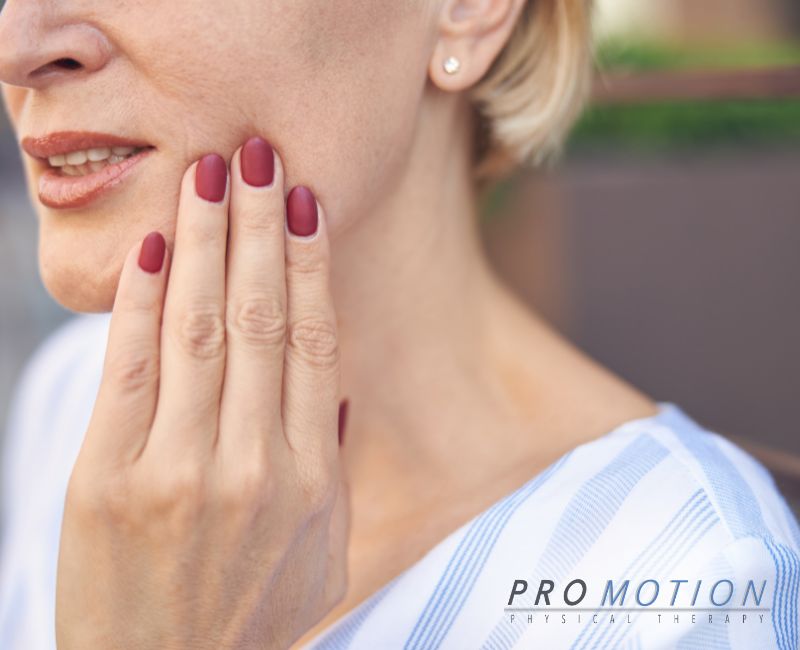
The temporomandibular joint (TMJ) connects your jaw to your skull. Like any joint in the body, it can develop dysfunction, leading to pain, stiffness, clicking, or limited movement. This is commonly referred to as Temporomandibular Disorder (TMD).
TMJ dysfunction often involves the joint capsule, which can become either too tight (hypomobile) or too loose (hypermobile). A tight capsule limits jaw movement and increases joint compression, while a loose capsule fails to provide proper stability. In many cases, one side of the jaw becomes stiff while the other becomes overly mobile. Pain is most often felt on the hypermobile side.
Normal TMJ function
Dysfunctional TMJ
The TMJ Disc and Why
Clicking Happens
Inside the TMJ is a small disc that acts as a cushion between the jawbone and the skull. In a healthy joint, this disc prevents bone-on-bone contact and supports smooth movement.
With ongoing joint dysfunction or instability, the disc can shift out of its normal position, most commonly moving forward. It may also shift inward (medially) or outward (laterally). Medial disc displacement is typically more painful, while lateral displacement often causes less discomfort.
When the disc sits too far forward, opening the mouth may cause the jaw to slide until the disc snaps back into place. This produces the familiar popping or clicking sound.
Some people notice relief after the pop, while others experience recurring pain or locking. The longer the disc remains displaced, the harder it becomes to restore normal function.
Can TMJ Dysfunction Be Treated?
Yes. TMJ dysfunction responds best to a multidisciplinary approach.
Physical therapy focuses on the jaw, neck, and upper spine, while your dentist or oral specialist
evaluates your bite and teeth. Addressing both areas together is key to long-term improvement
How Posture and the
Neck Affect the Jaw
Jaw position is strongly influenced by head and neck posture. Many TMJ patients also experience headaches, neck stiffness, shoulder tension, and upper or mid-back pain.
The joints at the base of the skull (suboccipital joints, including C1 and C2) play a major role in TMJ function.
A forward head or slouched posture keeps these joints in an extended position, which causes the jaw to sit back and up.
This reduces space for the disc and contributes to joint stress and dysfunction.
To better understand this
connection, watch:
Quick tip:
If your jaw clicks while eating, try sitting tall and gently tucking your chin. This posture change can sometimes reduce symptoms.
Every TMJ Case Is Different
No two patients are the same. Some people experience multiple contributing factors, while others have
only one or two. A thorough evaluation allows us to identify your specific issues and create
a targeted treatment plan.
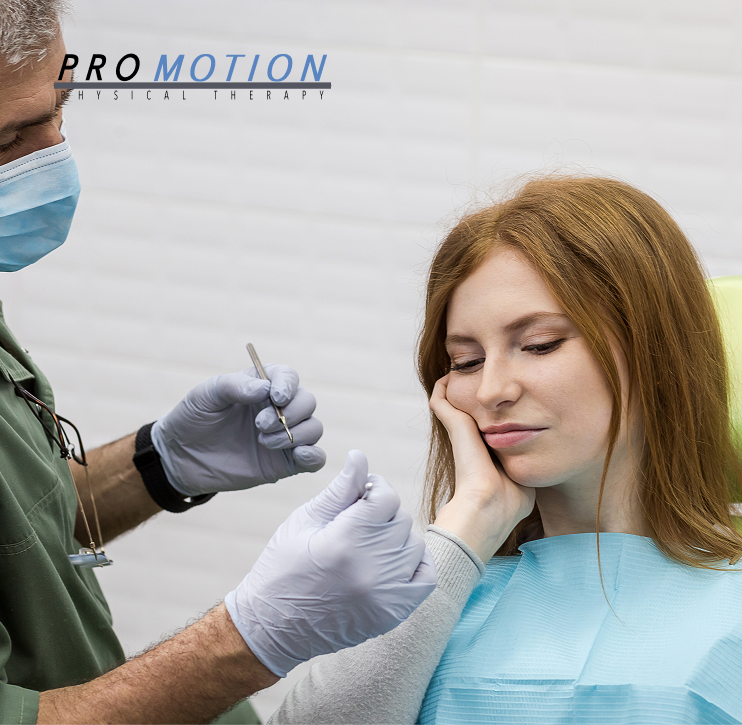
Additional Symptoms
We Can Help Treat
TMJ dysfunction can also be associated with:
- Ear fullness or ringing
- Difficulty swallowing
- Dizziness or vertigo
- Nasal congestion
These symptoms can often improve with proper TMJ-focused physical therapy.
Our Specialized TMJ
Physical Therapy Approach
Treatment may include:
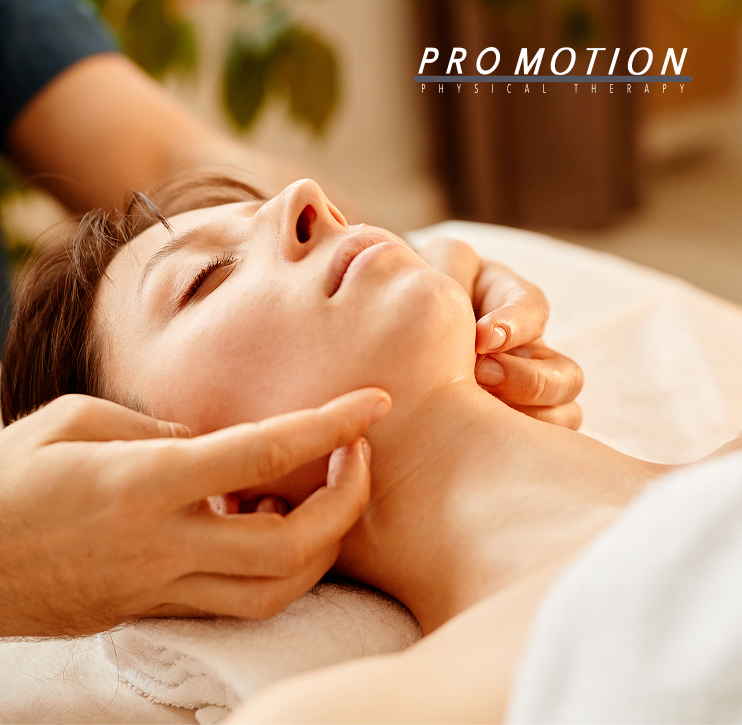
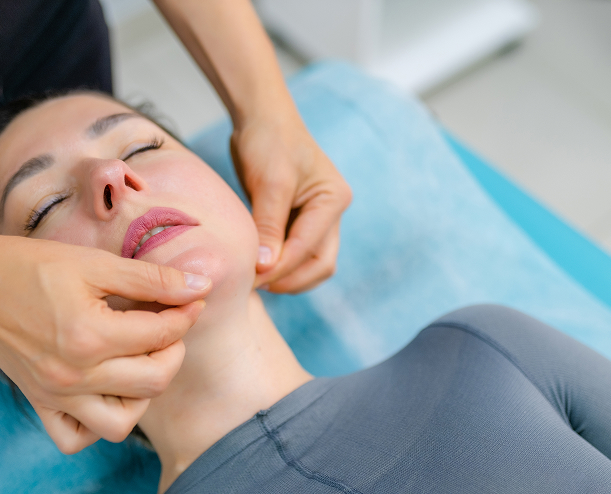
- Manual therapy and joint mobilization
of the TMJ, neck, and upper back - Soft tissue treatment, both external and internal
- Dry needling for deep jaw and neck muscles
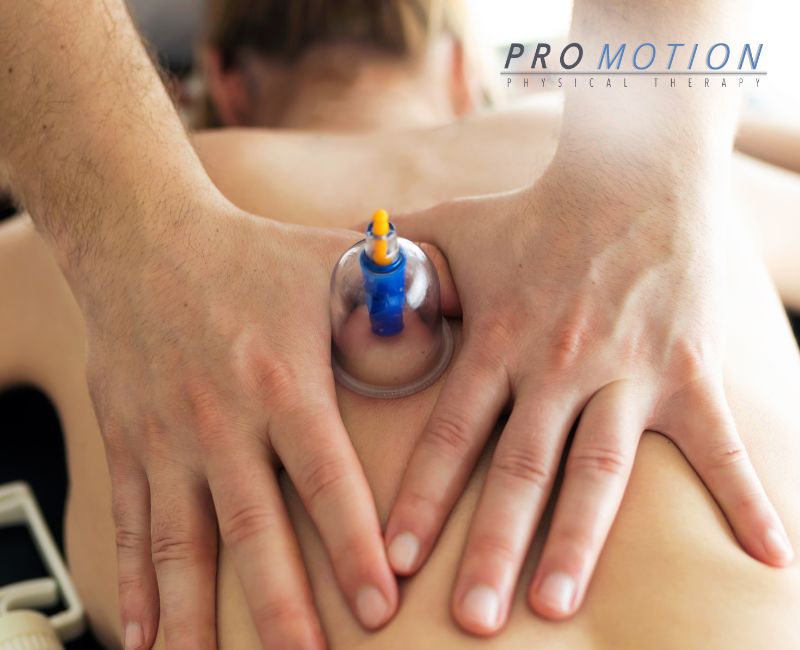
- Cupping therapy to reduce fascial tension
when appropriate
Some muscles involved in jaw function cannot be reached by hands alone and respond especially well to dry needling. These techniques are combined with personalized exercises to support long-term recovery.

Addressing Stress and
Daily Habits
TMJ health is influenced by more than just the joint itself. Stress, anxiety, sleep position, and daily habits all play a role.
During treatment, we also discuss:
- Stress management strategies
- Optimal sleeping positions
- Lifestyle adjustments to support healing and
proper jaw function
The Role of Your Dentist
Your dentist plays an important role in TMJ care by evaluating your bite and teeth. In some cases, a dental TMJ specialist may
recommend a mouth guard to protect your teeth, reduce grinding, and allow the jaw to rest in a more neutral position.
Long-term relief often requires addressing both joint mechanics and dental factors together.
TMJ Care – Frequently Asked Questions
Is jaw clicking always a problem?
Not always. Clicking can occur without pain, but when it is accompanied by pain, locking, or limited motion, it often indicates joint or disc dysfunction that should be evaluated.
Can TMJ issues cause headaches or neck pain?
Yes. TMJ dysfunction commonly contributes to headaches, facial pain, ear symptoms, and neck discomfort due to shared muscles and nerve pathways.
Do I need imaging for TMJ pain?
Imaging is not always necessary. A thorough physical therapy evaluation can often identify mechanical contributors to TMJ symptoms. If imaging is needed, we will coordinate with your provider.
Can physical therapy help if I’ve had TMJ pain for a long time?
Yes. While chronic symptoms may take longer to resolve, physical therapy can still improve joint mechanics, reduce pain, and restore function.
Schedule a TMJ Evaluation
If you’re experiencing jaw pain, clicking, popping, locking, headaches, or facial tension, our team is here to help.
919-798-8199 – Info@ProMotionRaleigh.com
6300 Creedmoor Rd #116
Raleigh, NC 27612
919-798-8199
Contact us today to schedule a TMJ evaluation and start your path toward relief.
 I cannot say enough great things about James and ProMotion for consistency. I have chronic neck pain and TMJ. I've been to physical therapy before and never made any lasting progress. James took the time...